

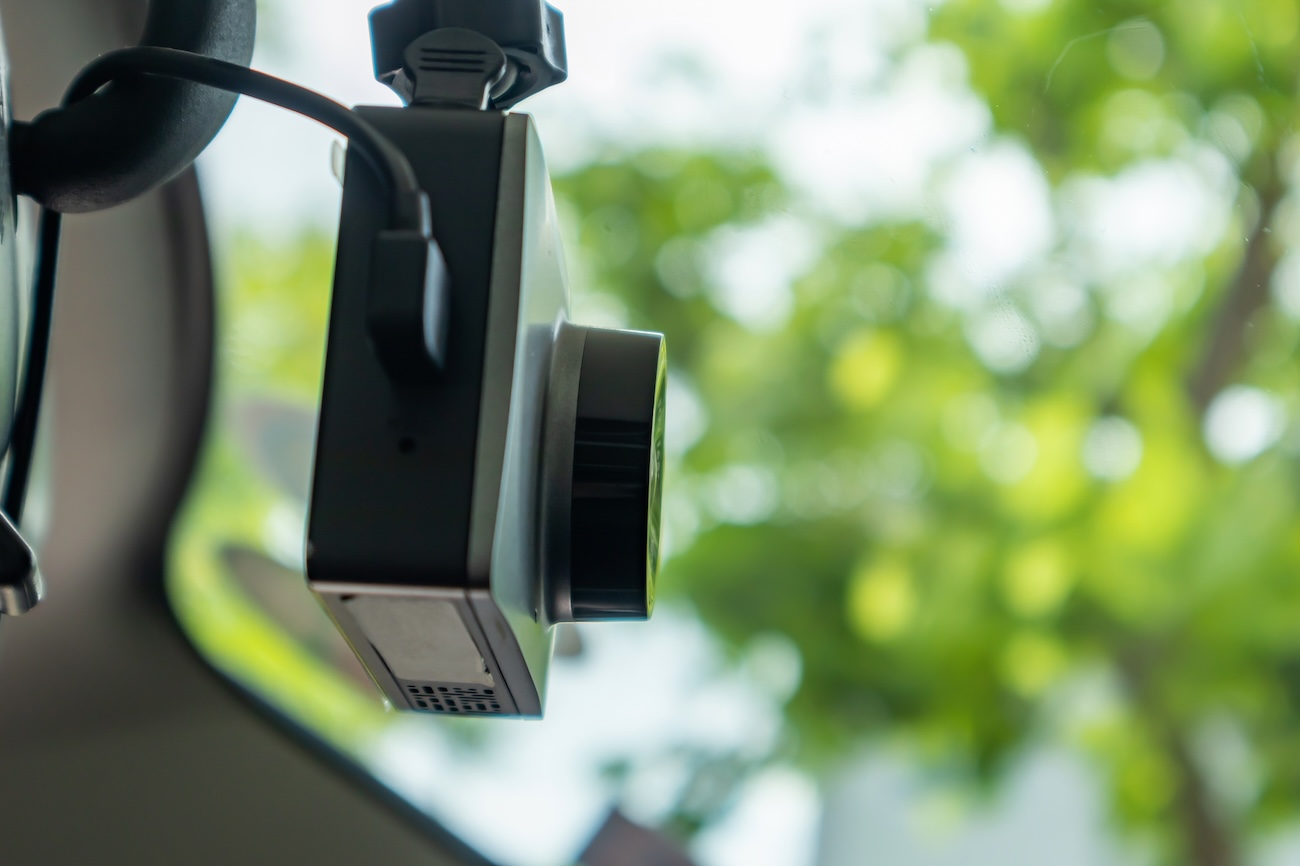
You might feel uneasy after a crash, even with dashcam footage, because you’re not sure whether that video will protect you or hurt you. The other driver is already telling their side, and you’re worried about being blamed for something you didn’t do.
Drivers across Central Pennsylvania are installing dashcams for proof of what happened at intersections, during sudden lane changes on Route 30, or in stop-and-go traffic on I-83. The problem is that most people don’t know how insurers, police, and courts use that footage—or how quickly helpful video can be turned against them.
Our team at Handler, Henning & Rosenberg LLC has helped injured people in Central Pennsylvania for more than 100 years. We now see dashcam footage in car accident cases regularly. In this guide, we’ll explain how dashcam footage can help or hurt a Pennsylvania accident case and what to do with that video if you’ve been in a crash.
Why Dashcams Matter After a Pennsylvania Car Accident
Most serious crashes don’t have neutral eyewitnesses with perfect memory. Wrecks happen fast, often in heavy traffic or bad weather, and each driver walks away with a different story. A dashcam provides a continuous record that fills in those gaps.
Take an intersection collision in Harrisburg where both drivers insist they had the green light. Without a camera, the officer relies on skid marks, vehicle damage, and witnesses. With a dashcam, there’s often clear video of the signal, the position of both vehicles, and the timing of impact.
Think of a dashcam as one more piece of evidence, not a magic solution. Insurers and courts in Pennsylvania treat dashcam footage like security video or cellphone video. They look at whether it’s clear, complete, and authentic, then weigh it against police reports, photos, and medical records.
How Pennsylvania Law Treats Dashcam Footage
Under Pennsylvania law, dashcam clips are digital video evidence. For a court to consider them, the footage must be relevant and authenticated—meaning someone testifies that the device was working properly and the footage accurately reflects what happened.
Courts and insurers also check whether footage looks complete. A clip that starts a second before impact and ends immediately after raises questions. A continuous recording showing several minutes before the crash, the collision, and the moments after carries more weight.
Pennsylvania uses a comparative negligence system. Your compensation can be reduced if you’re found partially at fault. Dashcam footage can influence those percentages. A video might show the other driver ran a red light but also reveal you were speeding. An insurer or jury may then decide both drivers share responsibility, which directly affects your recovery.
Ways Dashcam Footage Can Strengthen Your Claim
Clear, complete dashcam footage can resolve liability disputes that might otherwise drag on for months. In a Lancaster intersection crash where the other driver claims you ran a yellow light, your dashcam may show your speed, the light cycle, and when the other car moved into your path. That can push an insurer to accept fault.
Dashcams are critical in lane-change and merge crashes common on I-81 and I-83. Video might capture the other driver crossing the lane line without signaling, the positions of both vehicles, and brake lights showing you tried to avoid collision.
In rear-end collisions, insurers sometimes argue the lead driver “brake checked” the vehicle behind them. A dashcam can show traffic patterns, obstacles, or pedestrians that forced you to brake. In Central Pennsylvania, where traffic backs up near construction zones or schools, that context matters.
We’ve seen insurers make stronger settlement offers when confronted with detailed, unedited dashcam footage presented clearly.
When Dashcam Footage Can Hurt Your Case
Many drivers assume their dashcam will only help them. In reality, the video can highlight mistakes you didn’t realize you made. Your dashcam might capture you glancing at your phone, adjusting controls, or rolling through a stop sign before another vehicle hits you. Even if the other driver was more at fault, an adjuster can argue you share significant blame.
Some cameras overlay speed estimates, or your movement makes it obvious you’re traveling faster than surrounding traffic. If footage shows you were speeding in York or Carlisle, an insurer may say your speed contributed to the crash.
Editing or trimming dashcam footage backfires. Drivers sometimes clip just the impact, thinking they’re being helpful. Instead, this raises questions about what was removed. Gaps can reduce the video’s value and affect how a court views your credibility.
Sharing dashcam clips too early is another mistake. Once you send a video to an insurer, they can analyze small details that might not be obvious at full speed. Adjusters use that analysis to argue for lower settlements.
At Handler, Henning & Rosenberg LLC, we review dashcam footage with clients, identify strengths and vulnerabilities, and advise on whether and how to disclose it.
What to Do With Dashcam Footage Right After a Crash
Your first priority is safety and medical attention. Once immediate needs are addressed, preserving your video becomes crucial. Many dashcams record on a loop and eventually overwrite older clips. As soon as it’s safe, power down the camera or remove the memory card, then follow these steps:
- Create at least one backup copy of the full, unedited file.
- Copy the video to a computer, external drive, or secure cloud storage.
- Keep the original file name and avoid changing metadata.
- Note the date, time, location, weather, and traffic conditions.
When police respond, let the officer know dashcam footage exists, but keep your original copy. Avoid posting the video on social media or sending it to your insurer before talking with a lawyer. Once the clip is public or with an adjuster, you have little control over how it’s interpreted.
Our firm helps clients gather and safeguard digital evidence. We work with raw files, verify the full incident is preserved, and when appropriate, consult technical professionals to ensure the video can be presented properly.
How a Central Pennsylvania Car Accident Lawyer Uses Dashcam Evidence
When clients come to us with dashcam footage, we review it carefully alongside other evidence—scene photos, vehicle damage, medical reports, and witness statements. We understand the full story the footage tells, not just the dramatic few seconds.
We think strategically about timing. Sometimes sharing clear footage early pushes an insurer toward a fair settlement. Other times it’s better to wait for formal discovery to see what the other side claims first.
Our offices in Harrisburg, Hanover, Carlisle, York, Lancaster, and Schuylkill County give us insight into how local insurers and courts view dashcam evidence. That local knowledge allows us to present footage in ways that anticipate pushback and highlight what supports your position.
We sit down with you, go through the footage, discuss what it shows and what questions it might raise, and decide together how to use it. Your dashcam becomes part of a broader strategy aimed at securing the compensation you need.
Talk to a Central Pennsylvania Lawyer About Your Dashcam and Accident Claim
Dashcam footage can be a powerful asset, but it’s not automatic protection. How you preserve, interpret, and share that video can make the difference between a stronger case and a weaker one.
If you were injured in a crash anywhere in Central Pennsylvania, reach out to Handler, Henning & Rosenberg LLC. We can review your situation and any dashcam footage you have, explain how the video may affect your claim, and help you avoid common mistakes with insurers. Call us today at (888) 498-3023 to learn how we can put our century of experience to work for you.