

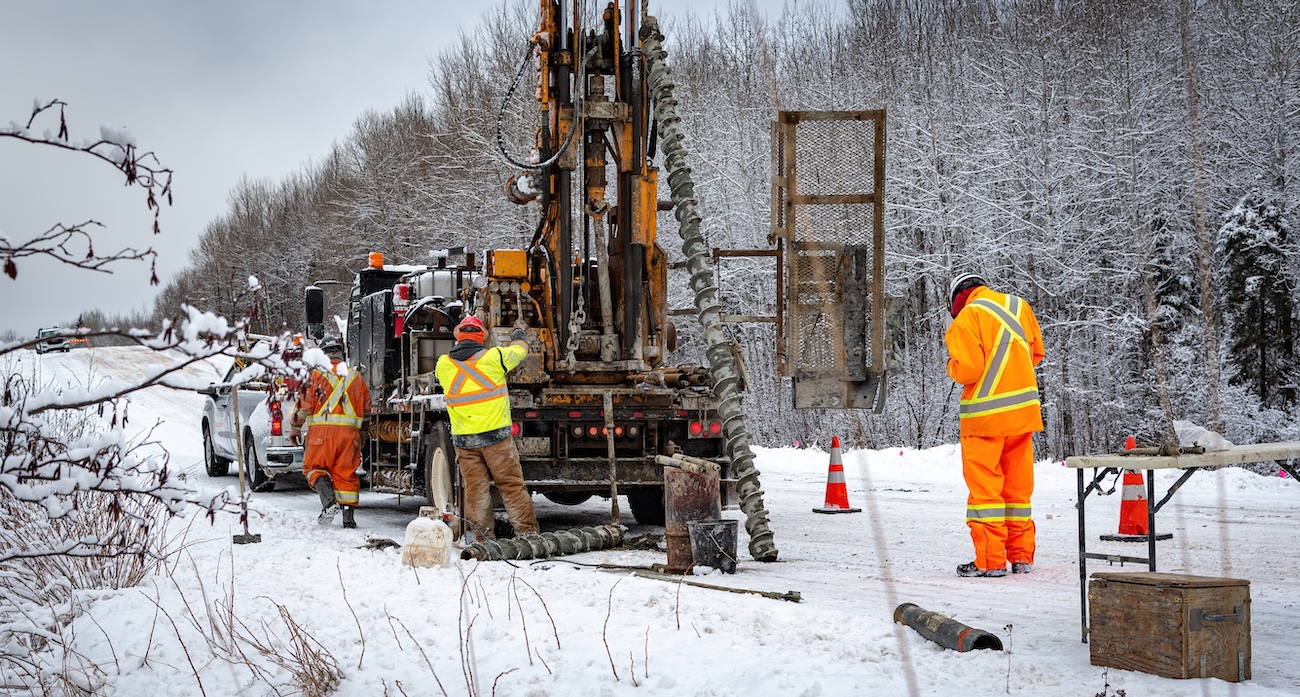
If you work through Central Pennsylvania winters or humid summers, you probably know at least one coworker who slipped on ice at work or got sick from pushing through extreme heat. Maybe that coworker is you. One day you’re doing your job, the next you’re on the ground or in urgent care, wondering how you’ll keep up with bills if you can’t work.
Seasonal weather in Pennsylvania is tough, and many workers quietly accept these risks as part of the job. Employers and insurance companies often encourage that idea, especially when an injury happens on a snowy parking lot or in a heat wave. Yet many of these incidents are exactly what Pennsylvania workers' compensation is meant to cover, as long as the injury is tied to your work.
Our team at Handler, Henning & Rosenberg LLC has been representing injured workers in Central Pennsylvania for more than 100 years. From Harrisburg and York to Lancaster, Carlisle, Hanover, and Schuylkill County, we’ve seen the same patterns repeat every season. This guide explains seasonal risks, how they affect work comp claims in PA, and what you can do to protect your rights if you’re hurt.
How Pennsylvania Seasons Shape Workplace Injury Risks
Pennsylvania has four real seasons. In Central Pennsylvania that means icy winters, wet springs, hot and humid summers, and darker, leaf-covered falls. Each season changes your workplace in specific ways. Parking lots turn slick, loading docks collect ice, job sites flood, and factories heat up. The same job that feels routine in October can become dangerous in January or July.
Under Pennsylvania workers' compensation law, injuries are generally covered if they arise out of and in the course of employment. In plain language, you were hurt while doing something related to your job or on employer-controlled property in connection with your job. Weather is part of the conditions of your work. If you fall on ice walking from the employer’s lot into your shift, or you pass out from heat while working outside, those conditions may still fall within the course of employment.
Over our decades handling work comp claims across Central Pennsylvania, we’ve seen how claim types shift with the seasons. Winter brings spikes in slip and fall injuries on ice and snow. Summer brings more heat illness and overexertion cases. Transitional seasons bring more falls from rain and poor lighting. Insurers often treat these cases differently, and weather can become an easy excuse to minimize or deny claims.
Winter in PA: Ice, Snow, and a Spike in Work Comp Claims
Central Pennsylvania winters are tough on workers. Snow falls, melts during the day, then refreezes overnight. That freeze-thaw cycle creates black ice on parking lots, docks, and walkways that can be almost impossible to see in early morning or late evening. Workers step out of their cars or off a truck, take one step, and suddenly they’re on the ground with a broken wrist, torn shoulder, or back injury.
We often see winter injuries from falls on employer-maintained parking lots, sidewalks leading to the building, outdoor steps, and loading docks. Inside, tracked-in slush and water can make entryways and hallways extremely slick. Workers in warehouses, hospitals, retail stores, and factories may also strain their backs shoveling snow, moving heavy pallets in cold conditions, or climbing onto icy trucks and trailers.
From a workers' comp perspective, one key question is who controls the area where you were hurt. If you slipped on ice in an employer-controlled parking lot or on a walkway they’re responsible for clearing, that supports the connection to your job. If you fell on the public sidewalk a block away after you’d already left work, an insurer may argue that’s outside the course of your employment.
Insurers frequently blame winter falls on personal factors—your shoes, your age, or not watching where you were going. They may also write it off as just the weather. What they rarely mention is whether the lot was salted, whether lighting was adequate, or whether the employer knew about recurring icy patches. We’ve handled many Central Pennsylvania winter cases where careful documentation of conditions and employer control made a big difference in the outcome.
Spring and Fall: Hidden Hazards from Rain, Leaves, and Darkness
Spring and fall in Pennsylvania might feel milder, but they create their own hazards that lead to work injuries. Heavy rainstorms can flood loading zones, yards, and access roads, leaving slick mud and standing water. Workers who carry supplies, push carts, or operate forklifts on these surfaces face a real risk of slipping or losing control of equipment.
In the fall, wet leaves on steps, ramps, and pathways can be almost as dangerous as ice. Leaves form a slimy layer that reduces traction, particularly on concrete, metal ramps, and wooden platforms. We have seen workers in distribution centers, municipal facilities, and schools fall on leaf-covered steps or ramps while simply going between buildings. Often, those transitions between indoors and outdoors are where people let their guard down, which is exactly when a hidden hazard can cause a serious injury.
Changing daylight also plays a role in transitional seasons. After clocks change, many workers in Central Pennsylvania arrive or leave work in the dark. Dim or poorly placed lighting in lots, yards, or back entrances can make it hard to see puddles, broken pavement, or other hazards.
When we review spring and fall injuries, we look at details most people wouldn’t think to mention. Was there standing water or mud where you fell? Were there wet leaves on the steps or ramp? Were the outdoor lights working? These facts help link your injury to seasonal conditions and employer obligations, which matter when a Pennsylvania insurer is deciding whether to accept or fight your claim.
Summer Heat, Humidity, and Work Comp Claims You Might Not Expect
Summer in Central Pennsylvania can be brutally hot and humid, especially for workers who spend their days outdoors or in facilities without good climate control. Road crews, construction workers, agricultural workers, warehouse employees, and even hospital staff in older buildings may be exposed to high heat for long periods. Many of these workers are conditioned to tough it out, so they ignore early signs of heat stress until they’re dizzy, confused, or collapsing on the job.
Heat-related illnesses happen because your body can’t get rid of excess heat fast enough. In high humidity, sweat doesn’t evaporate well, so your natural cooling system struggles. As your core temperature rises, you may develop heat exhaustion with symptoms like heavy sweating, weakness, headache, and nausea. If heat exposure continues, this can progress to heat stroke, which is a medical emergency.
Many people assume heat sickness is just a personal health problem or part of working outside. In reality, Pennsylvania workers' compensation can cover heat-related injuries and illnesses when they arise from your working conditions. If you’re installing roofing in direct sunlight all day, working in a hot factory with limited ventilation, or pushing through double shifts during a heat wave, those are job-related exposures.
Employers should take steps to reduce heat risks, such as providing water, rest breaks, shade, and adjusted schedules in extreme conditions. When they don’t, we often see the same pattern. Workers collapse or become ill on the job, and insurers later suggest the problem was purely personal or unrelated to work. We’ve handled claims where the key to success was clear documentation that symptoms first appeared and worsened while the worker was performing assigned duties in extreme heat, not later at home.
Seasonal Workloads, Repetitive Stress, and Aggravated Conditions
Not all seasonal work injuries involve a single bad fall or a dramatic collapse from heat. Many develop gradually as workloads spike or conditions change with the season. In the winter holiday rush, warehouse and delivery workers often move far more freight in colder, stiffer conditions. In the summer construction season, crews may work longer days doing repetitive tasks in high heat.
These seasonal spikes often lead to overexertion injuries and repetitive stress problems. A warehouse worker may notice back pain that gets worse as the holiday season goes on. A nurse may develop shoulder or knee pain from increased lifting during flu season. There may not be one accident date, but the injury is still tied to work and seasonally driven demands.
Pennsylvania workers' compensation can cover aggravation of preexisting conditions, not just brand new injuries. If you had a mild back issue or knee problem that was under control, and your seasonal job duties in cold, damp, or hot conditions significantly worsened it, that may still be a compensable work injury. Insurers often resist these cases, arguing that what you’re experiencing is just the natural progression of an old problem.
In our experience, the difference between a denied aggravation claim and a successful one often comes down to detail. We look closely at how your job changed with the season, what additional physical demands you faced, and how your symptoms changed during that period. Workers who connect these dots early and share them with their doctors and their attorneys put themselves in a stronger position than those who simply report that their back hurts again without tying it to the winter rush or summer workload.
How Insurers Challenge Seasonal Work Comp Claims in Pennsylvania
Weather and seasons give insurers plenty of angles to dispute workers' compensation claims. In winter slip and fall cases, we often see adjusters focus on footwear, suggesting your shoes weren’t appropriate, or on your age or weight. In heat-related claims, insurers may point to your personal medical history to argue that your collapse or illness could have happened off the job.
Another common tactic is to frame an injury as an idiopathic event—a term insurers use when they believe the cause is personal to you rather than something in the workplace. If you fainted on a hot day, they might claim it was purely due to your own health and not the heat and workload.
Location, timing, and documentation become especially important in seasonal claims. Insurers pay close attention to whether an incident report clearly states you were on employer-controlled property, performing assigned duties, and what the weather and site conditions were. If an injury report just says you fell, with no mention of ice, leaves, mud, or poor lighting, that leaves more room for the insurer to argue there was no work-related hazard.
Over our century of representing injured workers in Central Pennsylvania, we have seen these patterns again and again. We know how adjusters read incident reports and medical records, and we know which gaps they use to justify denials. A big part of our work in seasonal injury cases involves helping clients fill in those gaps with weather details, photos when available, witness accounts, and clear descriptions of what they were doing and where they were when they got hurt.
Steps to Take After a Seasonal Weather Injury at Work in PA
What you do in the hours and days after a seasonal injury can have a major impact on your Pennsylvania workers' compensation claim. First, report the injury to your employer as soon as you reasonably can. When you report, be specific. Say where you were, what you were doing for work, and what the weather or conditions were like. Saying you slipped on ice in the company parking lot walking in for your shift is much stronger than simply saying you fell this morning.
If you can do so safely, document the scene. Photos of ice patches, snow buildup, wet leaves on steps, standing water, or the thermometer on a brutally hot day can all help show what conditions were really like. If coworkers saw what happened or have complained about the same hazard before, ask for their names so they can confirm your account if needed.
When you see a medical provider, tell them clearly that your injury happened at work and describe the conditions. For seasonal injuries, that means mentioning the ice, heat, humidity, rain, darkness, or workload increase that was present when your symptoms started or worsened. When the medical records reflect that your injury came from a work task in specific seasonal conditions, that supports your work comp claim.
Finally, avoid downplaying your symptoms or assuming that an initial denial is the final word. If your claim involves weather or a gradual aggravation, there’s a good chance the insurer will look for reasons to minimize it. Talking with an attorney early can help you understand your rights and avoid mistakes that could hurt your claim later.
How Our Central Pennsylvania Firm Handles Seasonal Work Comp Claims
After more than 100 years serving Central Pennsylvania, we’ve seen how each winter storm, heat wave, and rainy season affects workers in Harrisburg, York, Lancaster, Carlisle, Hanover, Schuylkill County, and the surrounding areas. We understand the local employers, the layouts of common work sites, and the way weather interacts with different industries across the region.
When someone comes to us after a seasonal injury, we look beyond the surface. We talk through exactly where they were, what the ground or air conditions were like, what clothing or gear they had, and how their duties changed with the season. We review incident reports and medical records to see whether crucial details about ice, heat, lighting, or workload were documented, and if they weren’t, we work to fill those gaps.
Our practice is focused on personal injury, workers' compensation, and Social Security disability. Over time, we’ve recovered tens of millions of dollars for injured people, including workers who thought at first that weather or an old condition meant they had no claim.
If you suffered an injury tied to ice, snow, rain, leaves, darkness, or heat on the job, you don’t have to sort out Pennsylvania workers' compensation on your own. A conversation with our team can help you understand whether your injury is likely covered, what to expect from the insurer, and what you can do now to protect your benefits and your future.
Call (888) 498-3023 today to get started with a free consultation.