
PENNSYLVANIA PERSONAL INJURY LAWYERS
WINNING CASES SINCE 1922
Rideshare Accident Lawyers in Lancaster, PA
Uber & Lyft Accident Attorneys Backed by 100+ Years of Results
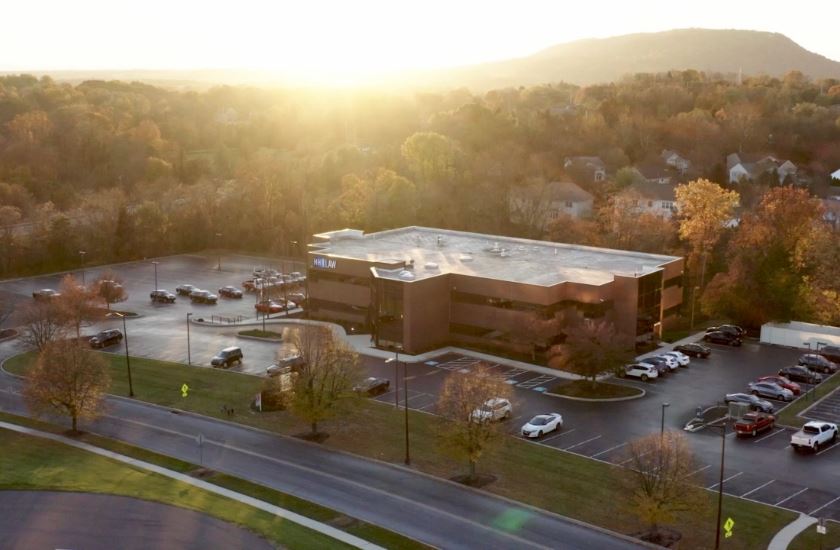
Since 1922, Handler, Henning & Rosenberg LLC has represented injured Pennsylvanians in complex personal injury cases, and today that includes Uber and Lyft accident claims in Lancaster, PA. With more than 40,000 clients served and tens of millions of dollars recovered in verdicts and settlements, we bring institutional depth in rideshare litigation. Our Lancaster office gives you direct access to a rideshare accident attorney who understands the local courts, the insurance frameworks that govern these cases, and the investigative work required to hold the right parties accountable.
Rideshare accident claims are more complex than standard car crashes. Liability can fall on the driver, the rideshare company, or both, and the coverage available depends on whether the driver’s app was on, whether a ride had been accepted, and whether a passenger was in the vehicle. You need an Uber accident attorney who can untangle those layers quickly.
Call (717) 775-7579 for a free consultation. If we take your case, you pay nothing unless we recover compensation for you.
How Rideshare Insurance Coverage Works in Pennsylvania
Pennsylvania Act 164, enacted in 2016, regulates transportation network companies like Uber and Lyft and creates a tiered insurance system tied to the driver’s app status at the moment of the crash. Identifying which tier applies is often the first contested issue in any rideshare claim because it determines how much coverage is available and who pays.
App Status & Insurance Tiers
The three coverage phases work as follows:
App Off: No Rideshare Coverage
When a driver isn’t logged into the Uber or Lyft app, they’re operating as a private motorist. Only their personal auto insurance applies, and the rideshare company has no coverage obligation. If the driver’s personal policy carries low limits, recovery options can be limited.
App On, No Ride Accepted
Once the driver logs into the app but hasn’t matched with a passenger, Act 164 requires the rideshare company to carry contingent liability coverage: $50,000 per person, $100,000 per accident, and $25,000 in property damage. These limits are significantly lower than what’s available during an active ride.
Ride Accepted Through Drop-Off
From the moment a driver accepts a ride request until the passenger exits the vehicle, Act 164 requires rideshare companies to carry at least $500,000 in primary liability coverage. In practice, both Uber and Lyft currently provide up to $1 million in third-party liability during this phase. Uber’s policy also includes uninsured/underinsured motorist (UM/UIM) coverage in Pennsylvania during this phase. Some reports indicate that Lyft has removed UM/UIM coverage in Pennsylvania, which can limit a victim’s options when an uninsured at-fault driver is involved. It’s important to have your specific coverage situation reviewed by an attorney.
Obtaining app data and electronic records is essential to proving which phase was active at the time of the crash. Uber and Lyft classify drivers as independent contractors rather than employees to limit corporate liability, but Act 164’s tiered insurance mandate ensures coverage exists regardless of that classification. A Lyft accident attorney familiar with these frameworks can identify the right coverage path from day one.
What Causes Rideshare Accidents in Lancaster County
Rideshare crashes don’t happen the same way ordinary car accidents do. Drivers face a distinct set of demands behind the wheel that elevate their crash risk, and understanding those factors matters when building a negligence claim.
Common rideshare-specific causes of crashes include:
- App distraction: Rideshare drivers manage navigation apps, incoming ride requests, and passenger interaction simultaneously, creating distractions that go well beyond typical driving conditions.
- Driver fatigue: Many drivers work extended shifts, sometimes across multiple platforms, increasing the risk of fatigued driving on Lancaster’s roads.
- Unsafe pickup and drop-off: Stopping in curb lanes, driveways, or near intersections to pick up or discharge passengers is a growing source of rideshare crashes and pedestrian-involved incidents throughout the area.
- Unfamiliarity with local roads: Drivers new to Lancaster’s streets and traffic patterns may make abrupt turns or unexpected stops that other motorists aren’t prepared for.
These factors can establish negligence on the driver’s part. In some circumstances, they can also support a claim that the rideshare company failed to adequately screen or monitor the driver before placing them on the platform.
Who Can File a Rideshare Accident Claim in Pennsylvania
You don’t have to be a passenger to have a valid claim. Rideshare accident cases in Pennsylvania can be brought by passengers injured while riding in an Uber or Lyft, drivers of other vehicles struck by a rideshare driver, pedestrians and cyclists hit by a rideshare vehicle, and rideshare drivers themselves when another party’s negligence caused the crash.
Pennsylvania’s modified comparative negligence rule allows you to recover compensation as long as you’re less than 51% at fault, with your award reduced proportionally by your share of responsibility. As a rideshare passenger, your own auto policy’s tort election typically doesn’t restrict your claim against the at-fault driver or company, which preserves your right to pursue full damages.
Common Injuries in Lancaster Rideshare Accidents
Rideshare passengers seated in the rear often have no warning before a crash, which increases their vulnerability to serious injury. Other motorists, pedestrians, and cyclists face their own risks when a rideshare vehicle is involved.
Injuries our clients frequently sustain in these crashes include:
- Traumatic brain injuries, ranging from concussion to severe TBI
- Spinal cord injuries, which may result in partial or complete paralysis
- Broken bones and fractures
- Neck and back injuries, including herniated discs and whiplash
- Internal bleeding and organ damage
- Lacerations and permanent scarring
- Soft tissue injuries causing chronic pain
- Psychological injuries, including PTSD, anxiety, and depression
Some injuries, particularly soft tissue, neurological, and psychological harm, don’t fully surface until days or weeks after the crash, which is one reason prompt medical evaluation matters. Injury severity also affects which insurance phase is most financially significant: for catastrophic injury claims, Phase 3’s potential $1 million in coverage can make a meaningful difference in what’s recoverable.
Why Choose Handler, Henning & Rosenberg LLC for Your Lancaster Uber or Lyft Accident Case
Rideshare companies have substantial legal teams that move quickly after an accident to protect their interests. Meeting that requires a firm with real investigative resources, litigation depth, and a clear understanding of how Uber and Lyft defend these cases.
Our advantages in rideshare accident cases include:
- On-staff investigator: Our full-time investigator moves quickly to secure app data, driver logs, dashcam footage, and third-party electronic evidence before it disappears.
- Statewide client access: Our attorneys travel to meet clients at home or in the hospital, not just at our Lancaster office.
- Proven results: We’ve recovered tens of millions of dollars in verdicts and settlements across hundreds of thousands of cases over our 100-year history.
- Recognized attorneys: Multiple attorneys on our team hold 10.0 Superb Avvo ratings, have been selected to Super Lawyers and Super Lawyers Rising Stars, been named to the National Trial Lawyers Top 100, and hold membership in the Million Dollar Advocates Forum and Multi-Million Dollar Advocates Forum.
- Industry recognition: Handler, Henning & Rosenberg LLC is included in Best Lawyers and ranked in Best Lawyers “Best Law Firms.”
- No-fee policy: You pay nothing upfront, and you owe us nothing at all unless we recover compensation for you.
Early legal involvement matters in these cases. Identifying the driver’s app status, preserving electronic records, and determining whether multiple insurance policies apply are all time-sensitive tasks. The sooner we can act, the better positioned your case will be.
Compensation Lancaster Rideshare Accident Victims May Pursue
The damages available in a rideshare accident case depend on the severity of your injuries, the insurance coverage in force at the time of the crash, and the circumstances of the accident. Phase 3 claims (ride in progress) may access up to $1 million in liability coverage. Phase 2 claims are subject to significantly lower limits.
Rideshare accident victims in Pennsylvania may seek compensation for:
- Medical expenses, both past and future
- Lost wages and loss of earning capacity
- Pain and suffering
- Emotional distress
- Disability and disfigurement
- Property damage
- Loss of consortium
Under 42 Pa. C.S. § 5524, Pennsylvania’s two-year statute of limitations requires filing a personal injury lawsuit within two years of the accident date. Missing that deadline generally eliminates your right to sue. Rideshare accident cases involving Lancaster County are typically filed in the Lancaster County Court of Common Pleas. Don’t accept any insurance settlement offer before having your case evaluated by a rideshare accident attorney in Lancaster who can assess whether it reflects the full value of your claim.
Frequently Asked Questions
What If the Driver Wasn’t Logged Into the App?
If the Uber or Lyft driver’s app was off at the time of the crash, the rideshare company’s insurance doesn’t apply. Your claim would proceed against the driver’s personal auto insurance only, which often carries lower policy limits. An attorney can identify whether other coverage sources may be available.
Can I Recover Compensation If I Was Partly at Fault?
Yes. Pennsylvania’s modified comparative negligence rule allows you to recover damages as long as you’re less than 51% responsible for the accident. Your award is reduced by your percentage of fault.
How Long Do I Have to File a Claim?
The general personal injury statute of limitations in Pennsylvania is two years from the accident date under 42 Pa. C.S. § 5524. Consulting a rideshare accident attorney promptly also helps preserve electronic evidence and app data that can deteriorate or become unavailable over time.
What If the At-Fault Driver Was Uninsured?
During an active ride, Uber’s policy includes uninsured/underinsured motorist coverage in Pennsylvania. Some indications suggest Lyft has removed UM/UIM coverage in the state, so available options depend on which company was involved and what other policies may apply. An attorney can evaluate all potential coverage sources.
Talk to a Lancaster Rideshare Accident Lawyer Today
If you’ve been injured in an Uber or Lyft accident in Lancaster County, our team is ready to review your case at no cost. During your free consultation, we can identify the insurance coverage that applies, explain your legal options, and outline what to expect going forward.
You won’t pay anything unless we recover compensation for you. With an on-staff investigator, a local Lancaster office, and over a century of personal injury results behind us, Handler, Henning & Rosenberg LLC has the resources to take on rideshare companies and their insurers.
Contact us today at (717) 775-7579 to schedule your free consultation.
HHR: A Family Story
Handler, Henning & Rosenberg has always been a family business. It's been 100 years, and if we look into the future another 100 years, we still see our family helping yours. We've been around for this long for a reason: we care about our clients and our communities, and every person at our firm does everything they can to help every client we represent.

Put Experienced Lawyers on Your Side